


Should You Be Recommending Acupressure Mats to Clients?
If you’ve been training clients for more than a few months, you’ve had the conversation: someone mentions they’ve started using a “spike mat” for their back, or they saw one on a mate’s Instagram story, and they want to know if it’s worth trying, or whether you’d recommend one yourself. Acupressure mats (also called spike

Snack Smart on the Snow: Why Pistachios Are a Winner for Active Clients
The Aussie ski season is underway across the Snowy Mountains, Falls Creek, and Mt Buller. If your clients are heading to the slopes, there’s a good chance their nutrition plan goes out the window the moment they hit the mountain. As a fitness professional, this is actually a great opportunity to have a simple, practical

Building Confidence and Calm Through Menopause-Informed Training
Written by Mish Wright When most people think of menopause, they picture hot flushes, night sweats, and maybe a few extra kilos around the middle. But what often gets left out of the conversation are the emotional and psychological shifts. Anxiety, irritability, low confidence, and mood swings are also a direct result of hormonal changes
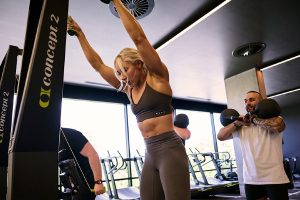
Why HYROX Training Is Reshaping the Australian Fitness Industry
More than 1.5 million people globally now compete in HYROX annually. In Australia, the race-style fitness format has moved well past early adopter status and into the mainstream, and the business of fitness is starting to reflect that shift in a serious way. Virgin Active Australia’s recently launched HYROX partnership gives the industry one of
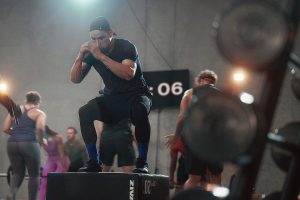
How Smart Gym Owners Are Turning the HYROX Boom Into a Retention Engine
The Les Mills x HYROX partnership isn’t just big news for the fitness industry. For gym owners and fitness professionals across Australia, it’s a ready-made solution to one of the hardest problems in the business: keeping members engaged long enough to stay. Walk the floor of almost any commercial gym in Australia right now and

Fitesque: The New Dance Fitness Licensing Opportunity for Australian Studios
Walk into almost any fitness studio in Australia right now and you’ll find a familiar lineup: HIIT, reformer Pilates, yoga, and cycle. All solid. All proven. And all increasingly indistinguishable from the studio down the road. For studio owners and independent instructors, the challenge isn’t attracting fitness enthusiasts – it’s attracting people who have quietly

Mid-Life Women as PT Clients: Exercise for Hot Flushes and Sleep Problems
Article by Mish Wright. If you believe the current fitness headlines, there’s only one prescription for midlife women: lift heavy and lift often. Strength training is vital — no argument there — but the problem is the way it’s become the only message. Cardio is being quietly cancelled, as if running, cycling, swimming, or even

Personal Training Clients on Weight Loss Medication
As more Australians embark on medical weight loss treatments, many trainers now find themselves training clients on weight loss medication without fully understanding what these drugs do, how they affect exercise performance, or what’s within their professional scope. Clients may casually mention, “I’ve just started Ozempic,” leaving trainers torn between curiosity, concern and confusion. In

Training Clients with TFCC Injury: A Practical Guide for Fitness Professionals
You’ve worked hard programming an intense session for your client, only to have them walk into the gym clutching a crumpled radiology report and saying, “My physio says it’s a TFCC tear.” It’s normal for trainers to freeze at a point somewhere between concern, confusion, and “Wait… what complex?” before realising that all your programming