Business Spotlight: Laith Cunneen on growing Peak Physio to six clinics and building a clinical platform for fitness professionals

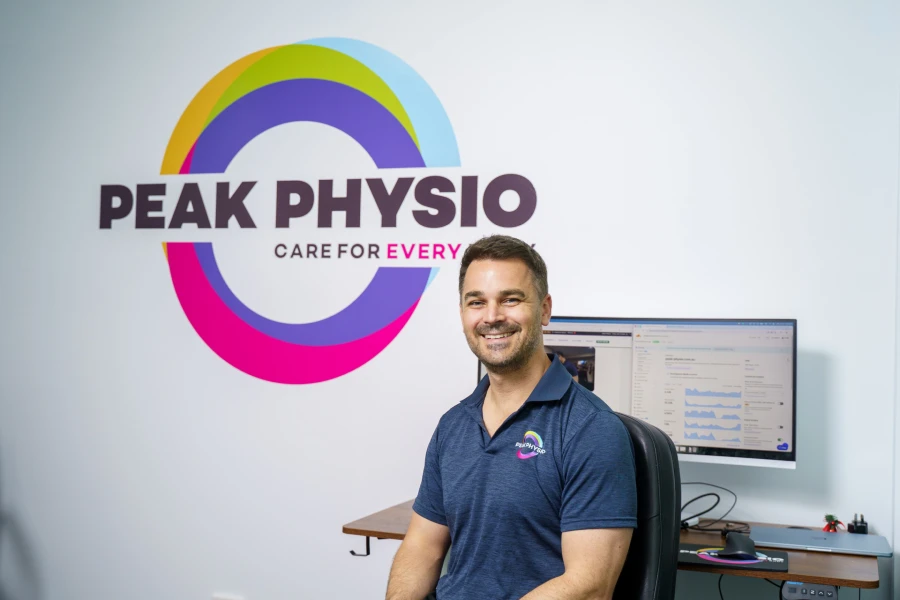
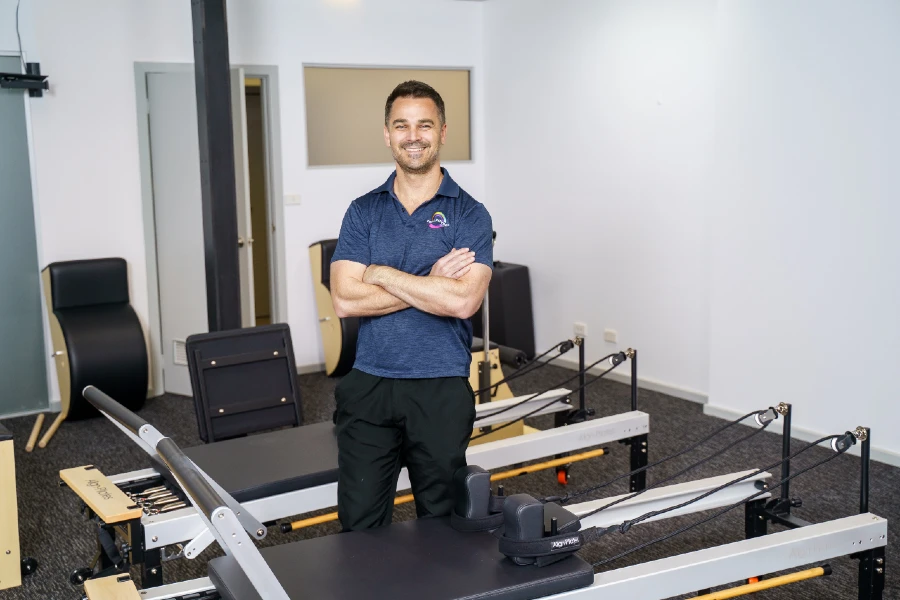
When Laith Cunneen opened Peak Physio in 2012, it was a single clinic. Fourteen years on, the business has six locations across NSW, has treated more than 50,000 clients and has grown revenue by more than 30 per cent in recent years. Along the way it has built an Instagram following of 72,000, a figure most physiotherapy practices never get near.

Now Cunneen, a physiotherapist, exercise physiologist and former personal trainer, has launched Arcane Physio, a subscription clinical reference and education platform he plans to expand for personal trainers, strength coaches and exercise physiologists.

His experience offers practical lessons for anyone trying to grow a fitness business, from when to invest ahead of demand to how to make social media pay its way.

How to grow a fitness business: 3 decisions behind Peak Physio's growth

Cunneen says there was no single turning point in Peak Physio’s growth, but three decisions stand out.

The first was choosing to expand through new locations rather than keep building the original clinic. “It was a significant financial and operational commitment, but it allowed us to reach new communities and create more opportunities for our team,” he says.

The second was taking recruitment and staff development more seriously. A few years ago, Peak Physio overhauled how it hires and began building a structured training program designed to scale with the business. “In a service business, your capacity to grow ultimately depends on the people you can attract and develop,” Cunneen says.

The third was investing in systems, administrative capacity and experienced leaders before the business strictly needed them. “We’ve increasingly tried to build for where we want to be rather than just where we are,” he says. “Growth becomes progressively more complicated. You need to be building the foundations for the next stage while you’re still managing the current one.”

It’s a principle that applies to gyms and PT studios as much as clinics. Owners who wait until they’re stretched before hiring a manager or upgrading their systems usually end up playing catch-up.

scaling a fitness business with peak physio
Leith Cunneen shares how he grew Peak Physio

Managing staff when scaling a business to multiple locations

Opening six sites was a major financial commitment, but Cunneen is clear about what was hardest. “Without question, the most difficult part of growth has been people management,” he says. “You’re dealing with more personalities, competing expectations and unexpected challenges. It requires a great deal of resilience, and you have to learn to manage those pressures without losing sight of the bigger picture.”

Keeping the client experience consistent across locations meant accepting that he couldn’t do everything himself. “It’s not possible to oversee everything personally, so establishing clear expectations, developing reliable processes and empowering your team become increasingly important.”

The aim, he says, is for clients to receive the same high standard of care at every clinic, “while still allowing our clinicians to bring their own personalities and strengths to their work”.

How Peak Physio built 72,000 Instagram followers

Peak Physio’s social media success didn’t come from a formula. “The biggest thing is finding an angle that resonates with your audience, and that’s essentially a process of trial and error,” Cunneen says. “For us, a shift towards a particular style of short-form educational videos really created traction, but we tried plenty of other things first!”

The content is designed to be genuinely useful and accessible rather than promotional. Once the team found a format that worked, the priority became consistency: posting regularly and continuing to refine the approach.

The payoff goes beyond follower numbers. Clients do find Peak Physio through social media, and Cunneen points to the social proof that comes with a large following. There’s also a benefit many business owners overlook. “It also helps with recruitment, as many physiotherapists and students are already familiar with our business by the time they apply for a position,” he says.

For fitness businesses competing to attract good trainers and coaches, that’s a strong argument for treating social media as more than a marketing channel.

Arcane Physio digital platform for fitness businesses

Arcane Physio: Why Cunneen built a digital education platform

Arcane Physio started as an internal tool. Peak Physio subscribed to various journals and educational platforms, but none brought everything the team needed into one place. “The information was often fragmented or repetitive, and there was a real disconnect between the research being published and how easily clinicians could apply that knowledge in practice,” Cunneen says.

“Frankly, a lot of the content was also uninspiring. There’s an enormous amount of research being published, so the challenge isn’t simply providing more information. It’s identifying what’s important, organising it effectively and presenting it in a way that’s genuinely engaging and useful.”

The project also drew on another of Cunneen’s interests. He has been coding since he was about 12 and has studied business management and cybersecurity alongside his healthcare degrees. “Arcane brought together two longstanding interests of mine: technology and clinical practice,” he says.

The platform now includes more than 400 condition guides, alongside research, commentary and study resources, and its free content attracts around 30,000 visitors a month. Cunneen expects upcoming partnerships to help grow its subscriber base.

Evidence-based resources for personal trainers, coaches and exercise physiologists

For fitness professionals, the most interesting part is where Arcane is heading. Cunneen worked as a personal trainer and is an exercise physiologist himself, and he says the platform is already relevant well beyond physiotherapy.

“There’s a lot of overlap between these disciplines, particularly in areas such as injury prevention, rehabilitation and physical performance,” he says. “While their scopes of practice differ, they’re often drawing on the same body of evidence.”

The recently launched sports science hub shows the direction. It organises research by sport, so a coach working with rugby league players, basketballers or swimmers can find evidence on injury patterns, training strategies, physical performance and rehabilitation in one place, rather than searching through dozens of individual studies.

“We see considerable potential to apply this approach more broadly, developing resources tailored to the needs of different professions,” Cunneen says.

Advice for fitness business owners: keep experimenting

Asked for one piece of advice for gym, studio and PT business owners, Cunneen steers away from a one-size-fits-all answer and talks about iteration instead.

“In a sense, you’re running dozens of small experiments at any given time: different services, pricing changes, new roles, software tweaks, marketing initiatives,” he says. “The key is to identify what’s working and double down on it, while also being willing to abandon what isn’t.”

Leith sums it up nicely: “Individually, these might seem like small changes, but the cumulative impact over several years can be enormous. Businesses evolve, so you have to keep adapting.”

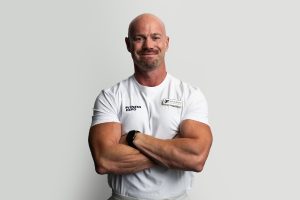
Laith Cunneen is a physiotherapist and exercise scientist with more than 15 years of clinical experience. He is the managing director of Peak Physio, which has six locations across NSW, and the founder of Arcane Physio, a global physiotherapy education platform. Alongside his healthcare degrees, he has studied business management and cybersecurity.

Check out these articles:

write an effective press release

How to Write A Media Release That Grabs Attention

Knowing how to write a media release is one of the most cost-effective marketing skills a fitness business owner can learn. A single story in your local paper, a trade publication or a national outlet can bring in more members than months of paid ads. The challenge is getting noticed.

Read More »
creating inclusive spaces for wheelchair users in gyms

Inclusive Gym Equipment: Are You Ready to Be First?

Sport England’s Active Lives Adult Survey found that one in five people live with a disability, and that group is almost twice as likely to be physically inactive as the general population, with the gap widening further for people with multiple impairments. The picture in Australia isn’t dramatically different. Two
Read More »
joy in movement franchise

How a Cronulla-Born Brand Sold 80+ Territories Across Australia

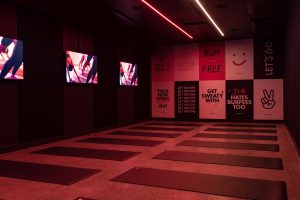
Most fitness franchises spend their first few years finding their footing. J.I.M (Joy in Movement) spent its first three years selling out. Since opening its debut studio in Glenhaven, Sydney in July 2023, the infrared-powered, 30-minute workout brand has sold more than 80 territories across New South Wales, Queensland, Victoria

Read More »
Scroll to Top