


It’s 9pm. You’ve coached since 5:30am, and there’s still a stack of invoices to reconcile, three Instagram posts to write and a dozen unanswered enquiries in the inbox. Sound familiar?
Most gym, studio and PT business owners got into fitness because they love coaching people, not chasing Xero entries or learning Meta Ads Manager. Yet many end up doing everything themselves because it feels cheaper. It rarely is.
Outsourcing isn’t about handing off your business. It’s about protecting the hours only you can fill, like coaching, culture and member relationships, and buying back time from tasks someone else can do faster and better.
This guide covers how to tell if you’re ready, a simple filter for deciding what to hand over, where to find help in Australia, and the compliance traps to avoid.
Signs your fitness business is ready to outsource
You don’t need to be a 10-location operation to benefit. Look for these signals:
- Growth has stalled because you’re the bottleneck. Leads go cold, content stops and projects stall whenever you’re busy on the floor.
- You’re doing $30-an-hour work instead of $150-an-hour work. If you’d pay someone less than your own hourly value to do a task, it’s a candidate.
- Tasks keep sliding to “next week”. The website update, the email newsletter, the BAS prep. Chronic procrastination often means a skills or time gap.
- Mistakes are costing you. Late super, missed follow-ups, a clunky booking page. Fixing errors is often more expensive than doing it right the first time.
- You’re exhausted. Owner burnout is a business risk, not just a personal one.
A quick exercise: track every task you do for one fortnight, in 30-minute blocks. Then mark each one as only I can do this, someone else could do this, or this shouldn’t be done at all. Most owners are surprised how long the middle list is.
The outsourcing filter: two questions for every task
Before handing anything over, ask two questions:
- Does this task directly shape the member experience?
- Does it need my specific expertise or judgement?
Your answers put every task into one of four boxes:
| Needs your expertise | Doesn't need your expertise | |
|---|---|---|
| Touches members directly | Keep. Coaching, programming, member conversations, culture | Outsource with care. Front desk cover, lead follow-up, cleaning. Train well and monitor closely. |
| Behind the scenes | Guide, then delegate. Brand strategy, pricing, hiring decisions. Get expert input, but you make the call. | Outsource first. Bookkeeping, payroll, ad management, web updates, graphic design |
Start with the bottom-right box. These are the lowest-risk, highest-return tasks to hand over, and they free up time fast.
7 things fitness businesses should outsource
1. Bookkeeping, payroll and BAS
This is the easiest win. A qualified bookkeeper who knows fitness software such as Xero plus your membership platform will do in two hours what takes you a stressful Sunday. Payroll matters more than ever too: since 1 July 2026, employers must pay super every payday under Payday Super, rather than quarterly. A good payroll provider keeps you compliant without you tracking deadlines.
2. Paid advertising
Meta and Google Ads change constantly, and a poorly run campaign burns budget quickly. A specialist, ideally one who has run campaigns for gyms or studios before, will know typical cost-per-lead benchmarks and how to structure trial offers. Ask for results from similar fitness clients before signing up.
3. Social media and content
Consistent posting takes hours each week. Many owners split this: a freelancer handles scheduling, captions and editing, while the owner or coaches supply raw footage from the floor. Members want to see your real space and real people, so keep your team in the content even if someone else polishes it.
4. Website, SEO and booking pages
Your website is your 24/7 salesperson. Outsource the build, speed, SEO and landing pages for each offer, so you can see which campaigns bring in leads. Make sure you retain ownership of your domain, hosting and logins.
5. Admin, inbox and lead follow-up
A virtual assistant (VA) can manage enquiries, confirm trials, chase failed payments and keep your CRM tidy. Speed matters: leads contacted within minutes convert far better than those contacted the next day.
6. Graphic design and video editing
Promo graphics, timetables, signage and short-form video edits are ideal freelance jobs. Build a simple brand kit with your logo, fonts and colours so every designer stays on-brand.
7. Cleaning and facility maintenance
A commercial cleaning contractor and a reliable equipment servicing provider protect your member experience and your equipment investment. Put regular servicing in the calendar rather than waiting for a treadmill to fail at peak time.
What you should never outsource
Some things are your competitive advantage. Hand these off and you risk becoming just another gym.
- Coaching standards and programming. You can hire coaches, but the standard of coaching and your training philosophy should come from you.
- Member relationships. Knowing names, celebrating wins and noticing when someone’s gone quiet is what drives retention.
- Culture and team leadership. Your staff take their cues from you, not a contractor.
- Sales conversations. A VA can book the consult, but the conversation that turns a lead into a member should happen with someone who lives your brand. If your conversion rate is weak, invest in sales training for your team rather than outsourcing the sale itself.
- Your numbers. Outsource the bookkeeping, never the understanding. Review your P&L, retention and cash flow every month.
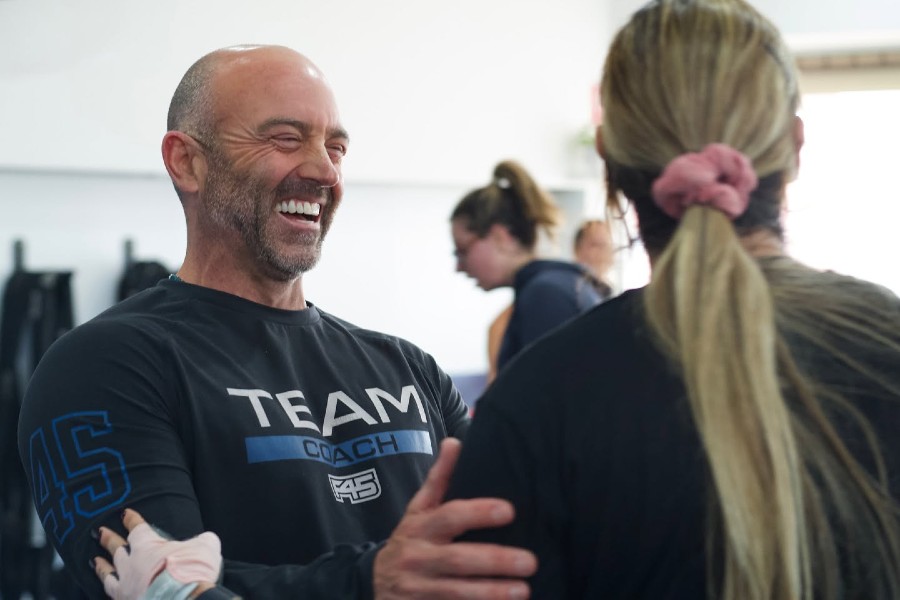
Pete Nitschke shares his advice on outsourcing tasks in a fitness business.
Case study: how one Adelaide gym owner decides what to outsource
Pete Nitschke is a certified personal trainer and co-owner of the award-winning F45 Training Woodville in Adelaide, which he has run with his partner Hilton Brandao since 2017. He’s also a co-founder of YAAY, an Australian-made fibre supplement, and works as Qantas cabin crew, so protecting his time isn’t optional.
His rule is simple:
“We outsource the things that aren’t customer-facing, or that aren’t going to give a different perception of what Hilton and I believe.”
What they outsource
- Bookkeeping, which sits with their accountant. “That’s an easy thing to outsource,” Pete says.
- General admin. An offshore team actions suspensions, cancellations and scheduling. The tasks come directly from Pete, and he retains members’ contact by phone and email at all times.
- Email and Meta ad campaigns. These give the biggest time return, which lets Pete and Hilton stay front and centre with clients.
What didn’t work
Outsourced lead calls. Pete describes handing lead-generation phone calls to someone else as incredibly unsuccessful. The problem wasn’t competence. It was the disconnect between the prospect and the people who genuinely care about the experience they’ll have.
“They don’t get the experience of us, what we stand for, our morals and how we do things.”
The calls felt scripted and cookie-cutter. “It comes across as pushy and salesy, which isn’t us at all,” Pete says. Owners, he believes, can read a prospect’s needs, finances and fears and adapt in a way an outsourced caller can’t.
Now Pete and Hilton keep outreach in their own hands and focus on getting people into the studio with a strong trial offer, so they can experience the training, community and vibe for themselves. Then they leave the decision with the prospect. Nobody is pressured, and nobody takes a “no” personally.
Handing off the two-week trial. They also tried giving the trial experience to the wrong staff member, and to an agency. Trial members message whenever suits them, and an owner is far more likely to reply out of hours. When it was outsourced, response standards slipped, and so did conversions to membership.
“They get a message on a Sunday night at eight o’clock and they’re not going to reply. Hilton and I would.”
Pete’s advice for overwhelmed owners
“Work out which parts of the business genuinely need you in them, and protect those. Everything else is fair game.”
Where to find help (and what it costs)
There are three main routes, and most fitness businesses end up using a mix. Rates vary widely by experience and scope, so treat these as ballpark figures and get at least two quotes. Ask other gym owners for referrals first, as fitness-specific experience saves a lot of onboarding time.
| Option | Best for | Pros | Watch-outs | Indicative cost (AUD) |
|---|---|---|---|---|
| Local freelancer | Design, copywriting, bookkeeping, social media | Understands Australian market, same time zone | Capacity limits, single point of failure | $50–$120 per hour |
| Agency | Paid ads, SEO, website builds | Team of specialists, reporting, continuity | Higher cost, you may be a small fish | $1,500–$5,000+ per month retainer |
| Offshore VA (often via a Philippines-based agency) | Admin, inbox, lead follow-up, CRM, scheduling | Cost-effective, flexible hours | Time zones, training time, data security | $10–$20 per hour |
The Australian compliance bit (don't skip this)
Outsourcing in Australia comes with rules that generic business advice ignores. Three matter most for fitness businesses.
Contractor or employee?
Many gyms engage PTs and group fitness instructors as contractors. Since 26 August 2024, the Fair Work Act uses a “whole of relationship” test for most businesses. It looks at how the arrangement works in practice, not just what the contract says. If you set their hours, roster them like staff, supply everything and control how they work, they may legally be employees regardless of the contract.
Josh Maslen, HR and safety consultant at South Coast People and Safety, says this is where most gyms go wrong:
“The biggest mistake is calling someone a contractor without looking at how the relationship actually operates. Owners should assess the real working arrangement, document the agreed terms and make sure the relationship genuinely reflects a contractor arrangement.”
So when is a contractor the right fit? Josh offers a simple rule of thumb:
“If the business controls when, where and how someone works, provides the equipment and expects them to work as part of the team, employment is generally the more appropriate arrangement. If the role is ongoing and forms a regular part of the business, it may also be worth considering an employee. Contractors can be a better fit where the business needs genuine flexibility and the person operates independently and controls how they deliver their services.”
HR Consultant Josh Maslen shares his expertise on when gyms can get it wrong when it comes to how PT’s employment status gets classified.
Misclassifying a worker can lead to back pay, unpaid super and penalties. Sham contracting is illegal, and the defence now requires you to show you reasonably believed the worker was a contractor. See the Fair Work Ombudsman’s guidance on the whole of relationship test.
If you suspect you’ve got it wrong, Josh’s advice is not to rush a paperwork fix:
“Don’t just change the paperwork and assume the problem is fixed. Review how the relationship has actually operated, get appropriate HR/legal advice, and work out whether any wages, superannuation, leave or other entitlements may need to be addressed.”
Super for contractors and Payday Super
Even genuine contractors can be owed super. The ATO says super guarantee applies to independent contractors paid mainly for their labour, at 12%. And since 1 July 2026, super must be paid each payday and reach the fund within seven business days, not quarterly. The Small Business Superannuation Clearing House has also closed. See the ATO’s Payday Super overview.
Member data and privacy
If a VA or agency, especially offshore, can access your member database, you’re sharing personal information. Health screening forms can include sensitive health information. Check whether the Privacy Act applies to your business (some small businesses are exempt, but health service providers generally aren’t). Either way, limit access to what each person needs, use a password manager rather than sharing logins, and put confidentiality terms in every agreement.
This section is general information, not legal advice. Speak to your accountant or an employment lawyer about your specific arrangements.
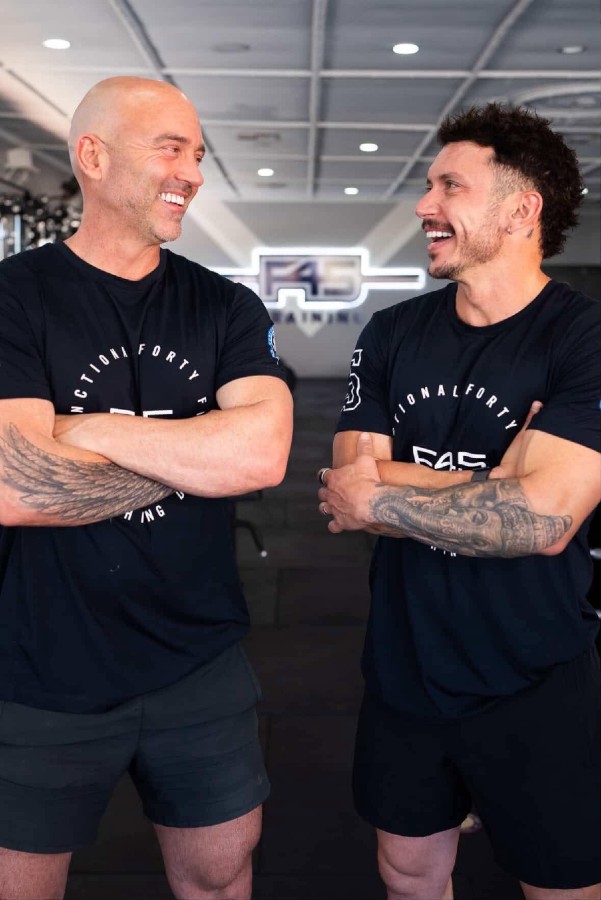
Pete Nitschke and Hilton Brandao juggle running the successful F45 Training Woodville alongside their own supplement brand, YAAY.
How to hand over tasks without chaos
Most outsourcing failures come from a poor handover, not a poor hire. Follow this process:
- Document the task first. Write a simple SOP or record a quick screen-share video of how you do it now. If you can’t explain it, you’re not ready to hand it over.
- Start with a paid trial. Give a small, defined project before committing to a retainer.
- Set clear KPIs. For example: leads contacted within 15 minutes, ads cost-per-lead under a set figure, books reconciled by the 5th of each month.
- Control access. Give each person their own login with only the permissions they need, and keep ownership of every account.
- Check in weekly, then monthly. Frequent check-ins early on catch problems before members notice them.
- Review at 30 and 90 days. Is it saving you time? Is quality up to standard? Keep, adjust or replace.
Outsource, automate or use AI?
In 2026, not every task needs a person. Before you hire, ask whether software could handle it:
- Automate: trial booking confirmations, class reminders, failed-payment notices and review requests. Most membership and CRM platforms already do this.
- Use AI tools, with a human check: first drafts of social captions, email newsletters, FAQ replies and blog outlines. They’re fast, but someone who knows your brand should always edit before anything goes live.
- Outsource to a person: anything needing judgement, relationships or accountability, like ad strategy, bookkeeping, and following up warm leads.
Missed calls and follow-up are where automation often pays off fastest. Adam Sciannimanica from OnTrak Automation, which builds automations for small businesses, explains:
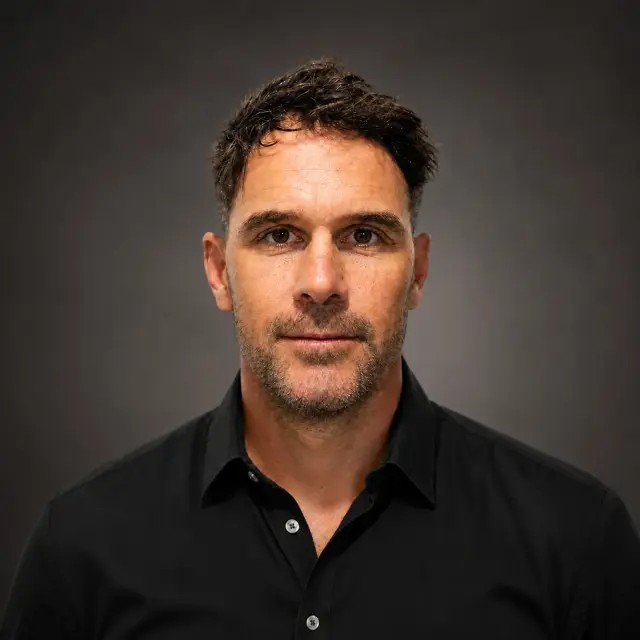
Adam Sciannimanica from On Trak Automation helps business owners who are feeling overwhelmed with business admin.
“Gyms are a good example of a business where the admin adds up fast and nobody notices until it’s costing real hours. Missed calls are the big one. If a lead calls while you’re mid-class or on the floor with a member, that call just goes cold unless something catches it. We set up automations that text a missed caller back straight away, offering to book them in, so you’re not losing leads just because you were busy doing the actual job.
Same goes for the follow-up grind: chasing trial members, membership renewals, no-show rebookings. That stuff is easy to automate once it’s mapped out properly, and it’s usually the first thing worth outsourcing before anything else.”
Adam offers a free chat to gym owners who feel buried in admin, and says you don’t need to know the tech, just your own business.
Often the smartest setup combines all three: automation handles the routine, and your VA or specialist handles the exceptions.
Frequently asked questions
What should a gym owner outsource first?
It depends where you’re losing the most. If leads are slipping through, automating missed-call text-backs and trial follow-ups can pay off within weeks. If the books are the headache, start with bookkeeping and payroll, which carry compliance risk if done wrong.
How much does a virtual assistant cost in Australia?
Offshore VAs engaged through an agency commonly cost around $10 – $20 AUD per hour, while Australian-based VAs typically charge more. Rates depend on experience and the tasks involved.
Can personal trainers be contractors?
Yes, but only if the relationship genuinely works that way in practice. Under the Fair Work Act’s whole of relationship test, factors like who controls the work, hours and equipment matter more than the contract’s wording.
Do I have to pay super for contractors?
Possibly. The ATO says super guarantee applies to contractors paid mainly for their labour. Check with your accountant.
Is outsourcing worth it for a small studio?
Usually, if it frees you to do higher-value work like coaching, sales or retention. Start with one task, measure the time you save, and expand from there.
Getting started with outsourcing
Outsourcing isn’t a luxury for big chains. It’s how owners of every size get out of the weeds and back to the work that grows their business. Start small, pick one task from the “outsource first” box, hand it over properly, and stay on the right side of Australian employment law.
Or, as Pete Nitschke puts it:
“Don’t try to hand over the bits people came for. Hand over the bits they never see, and you’ll find you’ve got time for the rest.”
Want more practical advice on running a fitness business? Subscribe to the What’s New in Fitness monthly eNewsletter for the latest Australian industry news and business insights.
Check out these articles:

How to Write A Media Release That Grabs Attention
Knowing how to write a media release is one of the most cost-effective marketing skills a fitness business owner can learn. A single story in your local paper, a trade publication or a national outlet can bring in more members than months of paid ads. The challenge is getting noticed. Journalists receive hundreds of pitches

Inside inLIFE Wellness First Franchise Round: What It Reveals About Scaling a Fitness Business
inLIFE Wellness opened franchise applications to the public for the first time since launching in 2019, a milestone for a boutique wellness network that has grown to 60 studios across Australia and the United States without any franchise marketing. Founder Scott Capelin, who has spent 25 years building and operating fitness businesses, built the model

Inclusive Gym Equipment: Are You Ready to Be First?
Sport England’s Active Lives Adult Survey found that one in five people live with a disability, and that group is almost twice as likely to be physically inactive as the general population, with the gap widening further for people with multiple impairments. The picture in Australia isn’t dramatically different. Two products on our radar this
How a Cronulla-Born Brand Sold 80+ Territories Across Australia
Most fitness franchises spend their first few years finding their footing. J.I.M (Joy in Movement) spent its first three years selling out. Since opening its debut studio in Glenhaven, Sydney in July 2023, the infrared-powered, 30-minute workout brand has sold more than 80 territories across New South Wales, Queensland, Victoria and the ACT. There are

Could Your Facility Become an Official RUN X™ Centre? Inside the First Treadmill World Championship
A landmark partnership between Technogym and World Athletics is turning connected treadmills into a global competitive stage, and Australian fitness centres have a front-row seat. Running is already Australia’s most accessible sport. Parkrun draws tens of thousands of participants every Saturday morning. City2Surf sells out in minutes. Fun runs fill up months in advance. Australians
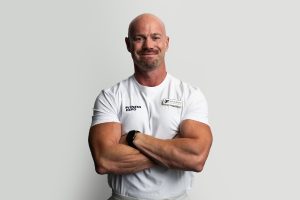
Follow the Money: Where Suppliers Are Betting in Australian Fitness
Interview conducted July 2026. Everyone in the fitness industry has an opinion on what’s trending. Fewer people are in a position to say where the money is going. Shaun Krenz is one of them. As co-founder of AusFitness Expo and AusFitness Industry, he spends most of the year building relationships with the suppliers, brands and
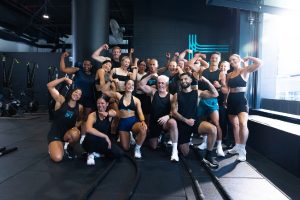
BFT PODIUM Series: The Event Model Driving Franchisee Revenue and Member Retention
Body Fit Training (BFT) held the global launch of its PODIUM Series last weekend, on Sunday 2 August 2026, across 300+ studios in 10+ countries. The in-studio event series is designed to open up new revenue and improve member retention for franchise owners, with more than half of that global footprint based in Australia. To
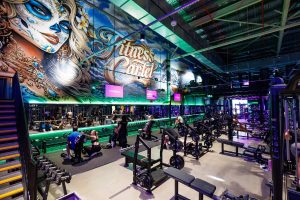
Fitness Cartel Maroochydore Reopens After $3.6 Million Rebuild
Fitness Cartel officially reopened its Maroochydore club on Saturday 25 July, capping off a $3.6 million refurbishment. Founder and CEO Nathan James spoke to What’s New in Fitness about the reinvestment, the new demographic it’s already drawing in, and what smaller gym operators can take from it. “Phenomenal,” is how James described reopening weekend. “We

Get Ready for the 2026 AusFitness Expo Sydney
This article was updated August 2026. Thinking about heading to AusFitness Expo Sydney in 2026? The countdown is well and truly on, with Australia’s biggest festival of health, fitness and bodypower returning to ICC Sydney from Friday 11 to Sunday 13 September. Whether you’re all about lifting heavy, chasing a new personal best, or hunting
