
Healthy Bones Action Week

12th – 18th August 2024 is Healthy Bones Action Week, which aims to highlight the painful and potentially crippling effects of osteoporosis, calling on Australians to make a commitment to bone-healthy food, activity and sunshine.

The Importance of Bone Health

Bone health is vastly underestimated by many of us and often falls under the radar until we start hitting the second half of our lives. As we age, not only do we lose muscle mass, strength and balance, but our bones become weaker, and more prone to breaking. It’s a bad combination when you consider poor balance in ageing individuals makes them more likely to suffer falls in the first place.

Osteoporosis is the term used to describe the degeneration of bone structure and density. There are several causes of poor bone health, including;

  • Changes in hormones;
  • Inadequate intake of calcium, Vitamin D and other trace minerals;
  • Medical therapies such as those undergoing cancer treatment;
  • Lack of physical activity;
  • Age; and
  • Genetic factors.

Osteoporosis leads to over 183,000 bone fractures each year, which impacts on individuals, their families and carers, as well as our health care system.

healthy bones action week

Endocrinologist Dr Sonia Davison, from Jean Hailes for Women’s Health, said that while Healthy Bones Action Week is designed to promote a positive and lively health message, the underlying agenda is urgent, especially as Australia’s population ages.

Virtually all Australian women over 50 are not getting their daily four serves from the dairy food group needed to keep their bones strong, as recommended by the updated Australian Dietary Guidelines.

“One million Australians are estimated to have osteoporosis, and six million are estimated to have osteopenia, which is mild bone thinning that can lead to osteoporosis,’’ Dr Davison said. “Many of these Australians are not aware of this silent process occurring in their bodies. Women underestimate the severity of falls and fractures which evidence shows lead to a loss of independence and a faster track to nursing home admission, especially after a bad hip fracture.”

How is bone health affected by age?

Bone health is an area where a little awareness made earlier in life can have a real impact later on. We all reach peak bone mass at some point in adulthood, usually between 25 to 30 years of age. Men will generally reach a higher bone mass than women due to their larger frames. After we reach around 40 years old, bone mass starts to slowly decline. This decline occurs more rapidly in women due to the more drastic changes in hormones as menopause sets in, but it does happen for men as well.

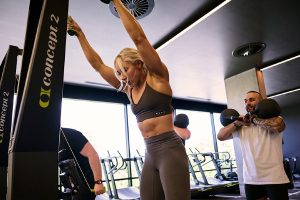
The clincher here is that it’s around this age that we often start to be less active as well. Family and carers’ responsibilities are at an all time high, we are still very much embedded in the workforce fulltime, and the lack of available time coupled with those niggling injuries and aches that start to appear mid-life mean that many people step back from recreational sports as well. Physical activity – particularly weight-bearing exercise – is important for bone health. During weight-bearing or moderate impact exercise, tension gets applies to the bones through your muscles and tendons, which stimulates the bone to produce more bone tissue. The result? Stronger, denser bones.

the importance of bone health

Muscle mass and bone health

Sarcopenia, or loss of muscle mass, occurs naturally as we age. It’s important to keep up with resistance training to counter the affect of ageing and maintain whatever muscle mass we can. Muscle mass is not only needed for obvious things like lifting, pushing and pulling, but also for balance. In fact, balance training for older people is extremely important.   Poor balance will often lead to trips and falls, as well as a general loss in confidence. Maintaining good balance could be the difference between someone being able to stay living in their own home independently or needing to move into an aged care facility.

Worth noting here is the sharp rise in the use of weight loss drugs in recent years. Whilst there are some benefits to these drugs, one of the key negative side effects to consider is the result they can have over the long term on muscle mass. Not only do they reduce a person’s body fat, but they also result in a loss of muscle mass – if a person is using these medications for years on end without making a deliberate effort to build lean tissue through weight-based exercise, we may be looking at a world full of very thin, frail people in a few decades.

What can you do to improve your bone health?

Dr Davison said some basic ways to reduce your chance of being struck down by the pain of osteoporosis include:

  • Aim for four serves a day from the dairy food group which includes calcium-rich milk, cheese and yoghurt. The Australian Bureau of Statistics found that nearly three-quarters of women don’t meet their calcium requirements.
  • Try to get a small dose of sun every day as vitamin D helps increase absorption of calcium.
  • Work on building up your bone strength to avoid the chance of a fracture. Keep active by doing some weight-bearing exercise that you enjoy—it could simply be walking the dog for 30 minutes a few times a week or dancing with the grandkids. (Swimming and cycling are not considered weight-bearing exercise.)

Check out these articles:

fitesque dance fitness licensing

Fitesque: The New Dance Fitness Licensing Opportunity for Australian Studios

Walk into almost any fitness studio in Australia right now and you’ll find a familiar lineup: HIIT, reformer Pilates, yoga, and cycle. All solid. All proven. And all increasingly indistinguishable from the studio down the road. For studio owners and independent instructors, the challenge isn’t attracting fitness enthusiasts – it’s attracting people who have quietly

Read More »
working with pt clients weight loss medication

Personal Training Clients on Weight Loss Medication

As more Australians embark on medical weight loss treatments, many trainers now find themselves training clients on weight loss medication without fully understanding what these drugs do, how they affect exercise performance, or what’s within their professional scope. Clients may casually mention, “I’ve just started Ozempic,” leaving trainers torn between curiosity, concern and confusion. In

Read More »
Scroll to Top