
A pair of Step One underwear is being sold every 8 seconds around the world, including Australia, America and the UK. From humble beginnings as a bedroom start-up to a now multi-million dollar, publicly listed company, Step One is kicking some serious business goals, all the while managing to maintain meticulous ethical and sustainable practices. It is one of the only Australian businesses on the ASX to launch as a sole shareholder. How have they managed to continue to gain momentum, despite the current economic climate? Let’s take a closer look at some of the key ways founder Greg Taylor set himself up for success.
Business Success Story: Step One Underwear
Addressing a Problem
Step One was born as a solution to a personal problem. After experiencing unbearable chafing while hiking on holiday, Greg began searching for a solution to this problem and was left wanting more. There was a gap in the market. A bit of brainstorming and experimenting with some bike shorts, scissors and various fabrics, led to his idea of “UltraGlyde” panels. These panels were later finessed and perfected. They now make up the inner thigh portion of Step One’s trunk and boxer briefs to effectively minimize friction and prevent chafing.
Perfecting the Prototype
Step One has >50,000 positive reviews and a whopping >60% repeat buyers. This means they nailed the product. Greg took time to perfect the prototype before ever going to production. He took the time to carefully select the right suppliers and interviewed 20 factories before locking any in.
Masters of the Digital Age
Both e-commerce and AI offer a myriad of benefits in modern-day business. From lower overheads to 24/7 global accessibility, the list of perks goes on. Step One is proficient in e-commerce. You can see their products everywhere– from social media to TV to the news pages. Clever ads have also proven to be one of their strengths. They use comedy as well as diverse body shapes and sizes, and varying ethnicities to appeal to the ‘everyday person.’ Additionally, from comms to advertising, Step One uses AI to save both time and money.
Experts in Ethical and Sustainable Practices
Ethical and sustainable practices are at the heart of Step One. Their choice of organic viscose made from bamboo fabric not only boasts positive implications in hygiene and comfort, but is king when it comes to sustainability. Bamboo is essentially a rapidly growing grass that is naturally irrigated, so no extra water is required in production.
They have managed to secure multiple impressive environmental certifications. Among which, being the first apparel company in Australia to achieve end-to-end FSC® certification. This means they made a commitment to zero deforestation, plant and animal species protection, fair wage and work environment and supporting local communities involved in production. They are also Australia’s first signatory of the FSC®s global Fashion Forever Green Pact, promising no further harm to forests.
Trail Blazers: Step One Underwear is One to Watch
Step One managed to identify a gap in the underwear market and solve a common problem in an ethical and sustainable way. They are proficient in e-commerce as well as the use of AI. They have committed to using sustainable and ethical practices. Their transparency regarding their production processes means more people are happy to back them both as customers as well as on the stock market. In a time when sustainability is at the forefront of our minds, this trail blazing company is one to watch.
Some more articles you might enjoy:

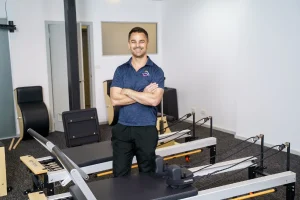
Business Spotlight: Laith Cunneen on growing Peak Physio to six clinics and building a clinical platform for fitness professionals
When Laith Cunneen opened Peak Physio in 2012, it was a single clinic. Fourteen years on, the business has six locations across NSW, has treated more than 50,000 clients and has grown revenue by more than 30 per cent in recent years. Along the way it has built an Instagram following of 72,000, a figure
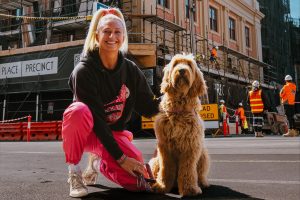
No Mirrors, Dogs Welcome: How Project Better Built a Gym Members Won’t Leave
When COVID lockdowns forced gyms to close, more than 100 Project Better members kept paying anyway. Co-founder Jess Curl explains how a community-first model took the brand from a garage to a fifth Melbourne site, and what other gym owners can learn from it. Almost 10 years ago, Jess Curl set out to build a
What to Outsource in Your Fitness Business (And What You Never Should)
It’s 9pm. You’ve coached since 5:30am, and there’s still a stack of invoices to reconcile, three Instagram posts to write and a dozen unanswered enquiries in the inbox. Sound familiar? Most gym, studio and PT business owners got into fitness because they love coaching people, not chasing Xero entries or learning Meta Ads Manager. Yet

How to Write A Media Release That Grabs Attention
Knowing how to write a media release is one of the most cost-effective marketing skills a fitness business owner can learn. A single story in your local paper, a trade publication or a national outlet can bring in more members than months of paid ads. The challenge is getting noticed. Journalists receive hundreds of pitches

Marketing to Millennials For Gym Owners in Australia
Millennials are one of the largest and most commercially important audiences an Australian gym can reach. But a lot of the marketing advice built around this generation still pictures them as 20-somethings chasing the newest boutique class and posting about it. That’s a narrow slice of who this audience actually is today, and it leaves
Before You Open a Second Gym, Get These Financials Right
The gym is full, classes are booked out, and membership numbers are climbing. For many fitness business owners, this is the moment the idea of a second location starts to feel less like a dream and more like a logical next step. But momentum and readiness are two different things. Some of the most avoidable
