When COVID lockdowns forced gyms to close, more than 100 Project Better members kept paying anyway. Co-founder Jess Curl explains how a community-first model took the brand from a garage to a fifth Melbourne site, and what other gym owners can learn from it.
Almost 10 years ago, Jess Curl set out to build a gym that felt warmer and less intimidating than the typical big-box model. She had no plan for a chain.
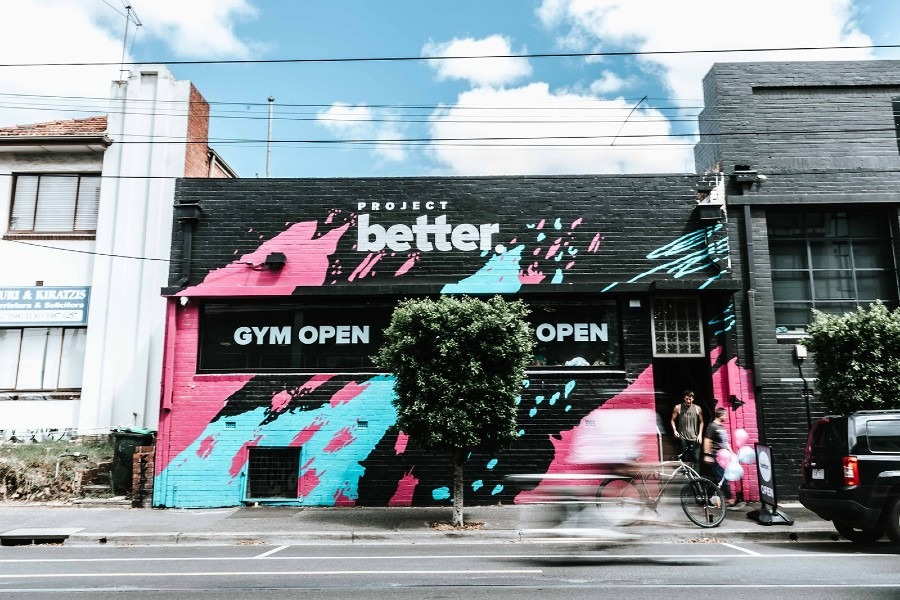
Today, Project Better has more than 2,000 active members across four Melbourne gyms, all north of the river. Its fifth site, in Prahran, opens on 28 November 2026 as the brand’s first Southside location. Brunswick follows in early 2027, with Abbotsford planned for 2028.
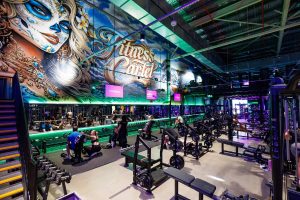
The model breaks a few industry conventions. There are no mirrors, dogs are welcome, and saunas, cold therapy and body scanners are included in the membership rather than sold as extras. Remarkably, Project Better did almost no advertising until this year.
We asked Jess about growth, pricing, retention and culture, and where she thinks the Australian gym model is heading.
Opening a second gym location: grow without losing the heart
Project Better started in a garage and is now heading towards multiple locations. What were the key decision points along the way, and what would you tell a gym owner thinking about opening a second site?
When we started Project Better almost 10 years ago, the goal was never to have multiple locations. The goal was to create a gym space that felt warm, welcoming and less intimidating than your normal big-box gym.
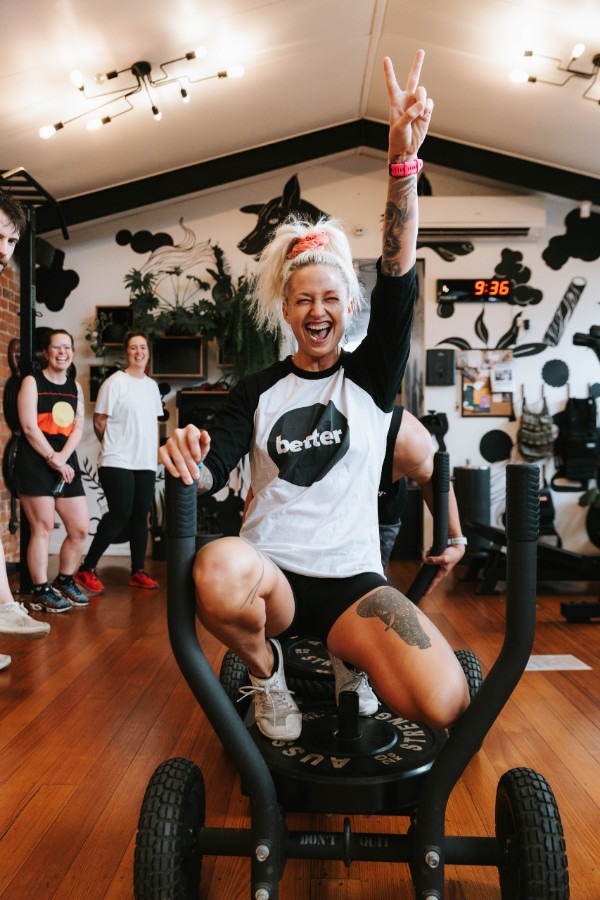
One of the biggest decision points was realising that what we’d created was a space where people found connection and community. People can just be themselves. There’s no pressure to look a certain way, lift a certain amount or fit into a particular mould. Just come as you are.
The biggest lesson has been learning how to grow without losing the little things that made Project Better special in the first place. When we were one location, it was me, 16 hours a day, greeting every person who walked through the doors. Nine years later, I’m still greeting people at whichever location I’m at, but so are our trainers, our cleaners and even other members.
So for anyone thinking about expanding, make sure you bring the right people on board. People who share your values, love what they do, work hard and genuinely care about the business. Whenever we bring on new staff, I tell them: I can teach you how to coach, I can’t teach you how to be a good person. As a people-first business, that is paramount.
The other thing is, don’t forget why you started. It’s easy to get caught up in social media, numbers, staffing and the million other moving parts of running a business, especially as you grow. Those things are important, but you have to be conscious of not losing the heart of what you set out to create.
The gym business model: no mirrors, dogs and recovery included
No mirrors, dog-friendly facilities and recovery included in membership are all unusual choices. What was the commercial reasoning behind them, and how have they affected pricing, operations and member response?
When we first started talking about opening a gym, we were looking for a gap in the market. What are gyms missing? Why does the average 24-hour gym feel like walking into a hospital? Why do you have to sign your firstborn away when you want to cancel?
I’d worked at gyms that charged an arm and a leg for every single thing, with people spending hundreds of dollars a week. That left a bad taste in members’ mouths and wasn’t sustainable for the average person. So a major part of how we run the business is asking how we can give members added value.
We ran the numbers on saunas and cold therapy and realised we could include them in the membership rather than tacking on a fee. We have body scanners at each location that are free for members. We run a free Community Class once a month, and some of our locations have free run clubs too.
Why no mirrors?
The no-mirrors decision is probably my favourite thing about Project Better, because it’s the most shocking to people. We wanted an environment where people focus a little less on how they look and a little more on how they feel.
Gyms can already be intimidating, especially for someone just starting out. For a long time the fitness industry has placed so much emphasis on appearance: how we look, what we weigh, how much body fat we have. There’s nothing wrong with aesthetic goals, but we wanted a space that encouraged people to think beyond that.
Walking into a gym can be a really vulnerable experience. The last thing we want is for someone to feel watched, judged or constantly comparing themselves to the person next to them. Removing mirrors was one small way to take some of that pressure away.
Why dogs?
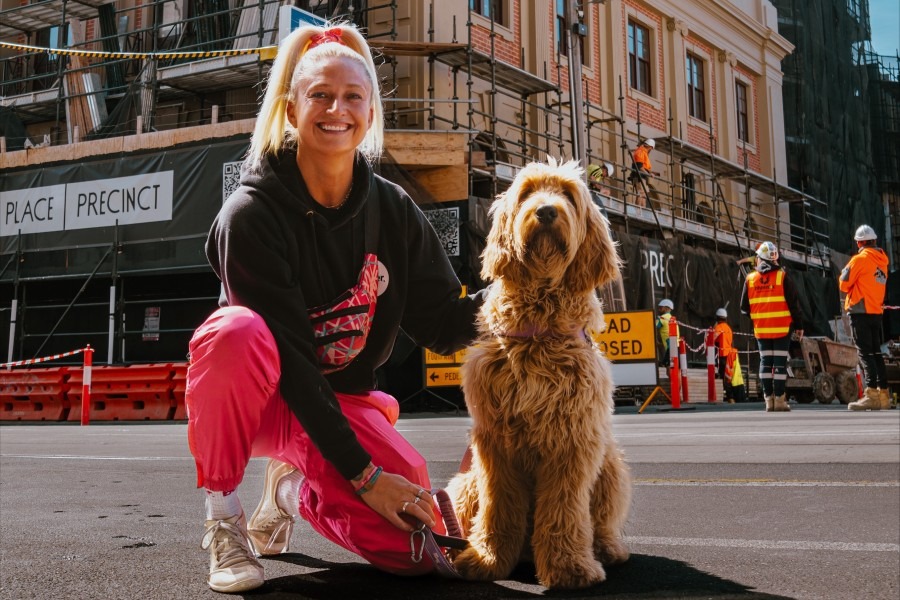
We’d just adopted a rescue dog when we were opening, and we talked about how great it would be to bring your dog to the gym. The idea flourished from there. Dogs bring so much joy to a space, and they encourage people to interact. Someone might not feel comfortable striking up a conversation with a stranger, but they’ll happily stop to pat their dog. Those little interactions can make someone’s day.
Why include recovery?
We basically created a space we would love, hoping others would love it too, and that had to include recovery. I’ve got a saying: you can only train as hard as you can recover. Saunas and cold therapy were a no-brainer for a health and wellness space. It’s nice to be a one-stop shop for training, recovery and dog pats.
The trade-offs
From a business perspective, these decisions come with challenges. Being dog-friendly requires clear expectations and consideration for everyone sharing the space. Recovery facilities come with extra costs, maintenance and operational responsibilities. And when you include more in a membership, you have to be really thoughtful about pricing so the business stays sustainable.
We want people to feel they’re getting genuine value: not just access to equipment, but an experience and an environment they enjoy being part of. These choices also naturally attract people who connect with what we’re doing. Not everyone wants to train without mirrors, and not everyone loves dogs, and that’s completely okay. There are plenty of gyms around, and I’m always happy to help people find somewhere else to train if we’re not for them.
Gym member retention: what kept members paying through COVID
Members kept paying throughout the COVID lockdowns. What had you built that made that loyalty possible, and what retention metrics do you track today?
I’ll never forget the first day we had to close our doors. I was standing in the middle of the gym with tears streaming down my face, scared and unsure, with cancellation emails coming in left and right. It broke my heart.
COVID showed us how special the community we’d built was. We had no idea how long we’d be closed or how we’d navigate it all. I’m so grateful that over a hundred members chose to keep supporting us financially, even when they couldn’t walk through our doors.
I think it came down to the fact that we’d built something beyond a gym membership. Members felt connected to the space, the people and the community they’d become part of. When people feel genuinely connected to something, they want to see it succeed.
To be honest, our measurement hasn’t been great. We’d never really done any advertising until this year. We’ve recently built our own gym software to help us better understand our members, past, present and future. Right now we have more than 2,000 active members across our four gyms.
Gym culture and site selection: taking the model to Prahran
How do you keep the community culture consistent as you open new sites like Prahran, particularly when it comes to site selection and staffing?
Prahran is a really exciting milestone because it’s our first Southside location. Until now, we’ve built our Project Better communities north of the river, so bringing what we’ve created to a new part of Melbourne feels pretty awesome.
One of the biggest things we’ve learned is how important it is to protect the culture we’ve worked so hard to create. Whether someone walks into our original gym or our newest one, we want them to feel the same warmth, familiarity and sense of belonging. Growth isn’t about reinventing what we do with every new gym. It’s about bringing that same experience to more people.
How Project Better chooses a location
A big portion of our members live within walking distance, so location is probably the most important factor. We ask:
- Is the area very residential?
- Are there other gyms nearby?
- What are the demographics like?
- What’s the surrounding community life like?
- Can we strike a good deal on the commercial side?
- Does this area need a space like Project Better?
Hiring for culture
You can have the most beautiful space and the best equipment in the world, but it’s the people who create the atmosphere and keep the vibes high. We look for people who genuinely align with what we’re building: kind, passionate people who understand that making someone feel welcome can matter as much as helping them hit their fitness goals.
I remind our coaches that sometimes we’re the best part of someone’s day, and how cool is it that we get that opportunity? Every location develops its own little community, and I’m looking forward to seeing what our Southside community brings to the mix.
Meeting members where they're at...
How did your Achilles injury and recovery shape the way Project Better supports members at different stages of their fitness journey?
A serious injury gives you a huge appreciation for what your body is capable of. I’ve been active and played sport my whole life, so having that taken away was incredibly challenging, physically and mentally. I’m an action person, so learning to be patient, slow down and listen to my body was not easy. I learned quickly that progress isn’t linear. Some days I felt strong and motivated, and other days just having a shower was a win.
It gave me insight into meeting people where they’re at when they walk in the door. Some people are training for a marathon, some are going through a divorce, some are stepping into a gym for the first time, some have just lost a loved one, and others are coming back from a torn ACL.
We don’t always know what’s going on in people’s lives, and that’s why Project Better is an important space. Whether it’s your 7th visit or your 700th, turning up is a win in itself. Fitness should support you through all the stages of life, not make you feel like you’re falling behind when life doesn’t go to plan.
The future of gyms in Australia
Where do you see the traditional gym model heading in Australia over the next few years?
The fitness industry is changing, and honestly, it’s needed. For so long gyms have focused on how people look, how much they lift or how hard they train. There’s absolutely a place for that, but we’re finally recognising that health and fitness is about so much more.
People want to feel good. They want to be healthy, strong, happy and capable of doing the things they love for as long as possible. Gyms have a beautiful opportunity to play a much bigger role in people’s lives than just being somewhere to exercise.
I think recovery, mental wellbeing and longevity will become a much bigger part of the conversation. Looking after yourself shouldn’t be something you do for an hour at the gym and forget for the rest of the day. It should complement your life, not consume it.
I also hope connection becomes more important. People are lonely and starved for genuine connection. They want somewhere they feel welcome and recognised, where they can have a laugh, make a friend or feel part of something. Gyms are in a unique position to offer that.
At the end of the day, I don’t think the future of fitness is about building bigger gyms. It’s about building better ones.
5 lessons for gym owners from Project Better
- Hire for character, train for skill. Jess’s rule: she can teach someone to coach, not to be a good person.
- Bundle value instead of upselling. Saunas, cold therapy, body scans and community classes are included, which builds goodwill and differentiates on more than price.
- Remove barriers for beginners. No mirrors lowers intimidation for new and returning members.
- Pick sites by walkability and community. Residential density, local competition, demographics and lease terms all feed the decision.
- Connection is the retention strategy. More than 100 members paid through lockdowns because they felt part of something.
About Jess Curl
Jess Curl is the co-founder of Project Better, a Melbourne gym brand focused on making fitness more inclusive, welcoming and community-driven. With 22 years in the health and fitness industry, Jess is a former collegiate and semi-professional soccer player who is passionate about helping people of all ages and abilities feel stronger, healthier and more confident.
Project Better Prahran opens on 28 November 2026. Memberships are available now at projectbetter.com.au. Follow along on Instagram and Facebook.
Check out these articles:

Fitness Cartel Maroochydore Reopens After $3.6 Million Rebuild
Fitness Cartel officially reopened its Maroochydore club on Saturday 25 July, capping off a $3.6 million refurbishment. Founder and CEO Nathan James spoke to What’s New in Fitness about the reinvestment, the new demographic it’s already drawing in, and what smaller gym operators can take from it. “Phenomenal,” is how James described reopening weekend. “We

From One Studio to Nearly 60 Locations: Inside One of Australia’s Fastest-Growing Boutique Fitness Franchises
Walk into any inLIFE Wellness studio and you’ll notice something a little unusual. The instructor leading the class might also be the owner. The member in the back row might be opening her own location next month. The whole place hums with a kind of buy-in you don’t usually see in boutique fitness — and

Reduce Injury Risks and Maintain Your Community Sports Involvement After 40
It’s a familiar story: You play local level sport for most of your life – making friends, being part of the sporting club community and sharing the highs and lows of hard-fought battles on the weekends. As mid-life starts to approach, you’re noticing more muscle strains, pulling up stiff and sore after the weekend, or

5 Years On: Air Locker’s Roman Brady Shares Lessons Learned
From opening his first studio with no pre-selling of memberships, no CRM, and a turnout of just 24 people on opening day, Air Locker Training’s founder, Roman Brady has been on an intense learning curve, complete with its ups and downs, over the past four years. The altitude training brand has soared in popularity despite

KX Pilates Aaron Smith Talks Business, Family, and the Future
Tony Zonato had the pleasure of pinning the founder of KX Pilates Aaron Smith down for a candid conversation about how he balances business, family, and his vision for the future. Check out the video below to see the interview in full, or you can scroll down to read the full transcript. https://www.youtube.com/watch?v=5yV8qSsyefE You recently

My Fit Pro: A Better Live Streaming Platform for Fitness Businesses
When Fiona McKenzie was struggling to find a good way to stream her dance fitness classes during the pandemic, she decided to take matters into her own hands. With a background in IT and a web developer for a husband, Fiona set about creating her own streaming platform, designed specifically for fitness professionals. This “little

Nuforma Pilates: The Reformer Reinvented
Amid the technological upgrades of pretty much every other piece of exercise equipment, there’s been one item that has remained untouched – the Pilates reformer. Until now… Nuforma Pilates is the result of over 20 years of research and the previously UK-based offering is now available in the first Nuforma Pilates studio in Bondi Junction,

From Dream to Reality: How Blue Mountains Sauna Became a Resounding Success
This article was updated September 2024. With the benefits of sauna use ranging from cardiovascular improvements, faster recovery, mental health, and increased longevity, it’s not surprising that more and more Aussies are making it a part of their overall wellness routine. Blue Mountains Sauna opened in 2022 and has been a roaring success with heat-seekers

Building strength through community with The Real Body Movement
For many people, the gym is just somewhere to squeeze in that obligatory hour of exercise with a set of headphones in their ears or rushing in and out of a group class with barely a word spoken to their fellow attendees. For others, their gym is a genuine community – a place where connections
