

Millions Missing Out on Key to Happiness

This article was updated December 2024.

Australians claim to rate their health and happiness as two of the most important things in life, yet almost 15 million of us miss out on one of the easiest ways to maintain our health and happiness because we don’t move enough.

What is the key to happiness?

Research from a Fitness First in partnership with the Happiness Institute found that more than half of us do not do enough physical activity to meet the recommended guidelines, and an alarming one in four Australians claim not to exercise at all. Despite the well documented impact of exercise on improving our mood, a third who fail to undertake adequate regular physical activity, unsurprisingly say that they feel less happy – with some even saying they never feel happy.

Dr Tim Sharp from the Happiness Institute says that with mental health issues on the rise, it is concerning that people are not placing enough importance on their emotional health and wellbeing – and the impact that physical activity can have. “The research showed that majority of us exercise to look good – not necessarily feel good – yet moving more could be the first step for many to leading a happier life,” Dr Sharp said. “Regular physical activity is one of the easiest, cheapest and most effective ways to boost your happiness and help achieve long lasting mental wellbeing.”

exercise the key to happiness

The mood boosting impact of exercise

“From something as simple as going for a walk or playing with the kids, to working out at the gym or training for an endurance event, exercise in any form can have a big impact on your mood and your happiness. Improving your mood can also help to boost your confidence, your ability to perform at work, and how you resolve conflict in relationships,” said Dr Sharp.

Australians blame ‘a lack of motivation’ as the biggest reason for not exercising. Dr Sharp says that when it comes to exercise, often a lack of motivation stems from the fact that people need other people to keep them accountable and because they simply do not like to exercise alone. “People thrive off of ‘social connectedness,’ the feeling of going through experiences with other people. This is a big driver of motivation, as the prospect of exercising – particularly at a gym – can be daunting for many. When we have other people to share the experience with us, it makes the journey more enjoyable.”

How to incorporate exercise into your lifestyle

“It’s all about creating ‘happy habits’ and changing the way we approach exercise. Even something as simple as grabbing a friend and going for a walk can make a huge difference to the way you feel and the happier you feel the more you will want to exercise,” said Dr Sharp.

Of those surveyed, Generation Y were found to be embracing this concept the most with nearly half of those surveyed saying they exercise with friends because of the benefits it delivers.

Rob Hale, Head of Fitness at Fitness First, said that more and more people are embracing the social benefits of training in groups with other like-minded people. “People don’t want to work-out with their headphones on in isolation from everyone else anymore, these days people crave interaction and fostering a sense of competitive camaraderie.”

“It’s fantastic to see members coming in to our clubs and experiencing both the physical and emotional benefits of exercise – but for too long, many lacked the motivation to stick to the plan for the long term. We’re proud to be leading the fitness industry through introducing innovations in our fitness programming and in how our clubs are designed to help our members reach their goals, and get more out of life,” said Rob.

“If you don’t have time to hit the gym there are many things you can do at home or work to help you get moving and feeling great. It’s what we refer to as mindful movement which is being more aware and present of your activity levels during the day and finding ways to move more. Start by doing simple things like taking the stairs, walking to work, stand up and move after you have been sitting for more than 90 minutes, and focus on turning mindful movement into a habit,” said Rob.

mood boosting exercise
Top Tips to Get Moving More

At Home:

  • Go for a walk around the block before breakfast
  • Arrange to catch up with friends for a walk
  • Take the stairs in your apartment block rather than the lifts
  • Park your car further away from home so that you have to walk a longer distance to reach it
  • Help your kids practice their chosen sport
  • Get up and move during every TV ad break with bodyweight exercises such as push ups, sit ups, squats
  • Explore our natural playground and walk/exercise in our parks and beaches
  • Give your house some attention by finally finishing the gardening, painting or DIY project.

At Work:

  • Get up to talk with a colleague rather than email
  • Hold your meetings outdoors where you have to walk to the designated meeting spot
  • Walk to the coffee shop that is furthest (within reason) from your building to get your coffee
  • Us the bathrooms on another level at work so that you have to walk further to use them
  • Have a stand up meeting rather than a sit down meeting
  • Get some fresh air and do ‘walk and talk’ one-to-one meetings with your team
  • Schedule ‘move’ appointments in your calendar. What gets scheduled gets done.

Australia’s Physical Activity and Sedentary Behaviour Guidelines can be found here.

Check out these articles:

white lotus acupressure mats pain relief

Should You Be Recommending Acupressure Mats to Clients?

If you’ve been training clients for more than a few months, you’ve had the conversation: someone mentions they’ve started using a “spike mat” for their back, or they saw one on a mate’s Instagram story, and they want to know if it’s worth trying, or whether you’d recommend one yourself. Acupressure mats (also called spike

Read More »
menopause informed training

Building Confidence and Calm Through Menopause-Informed Training

Written by Mish Wright When most people think of menopause, they picture hot flushes, night sweats, and maybe a few extra kilos around the middle. But what often gets left out of the conversation are the emotional and psychological shifts. Anxiety, irritability, low confidence, and mood swings are also a direct result of hormonal changes
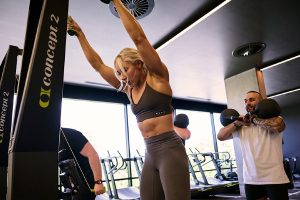
Read More »
hyrox training australia

Why HYROX Training Is Reshaping the Australian Fitness Industry

More than 1.5 million people globally now compete in HYROX annually. In Australia, the race-style fitness format has moved well past early adopter status and into the mainstream, and the business of fitness is starting to reflect that shift in a serious way. Virgin Active Australia’s recently launched HYROX partnership gives the industry one of
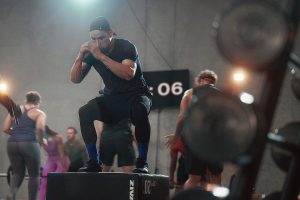
Read More »
fitesque dance fitness licensing

Fitesque: The New Dance Fitness Licensing Opportunity for Australian Studios

Walk into almost any fitness studio in Australia right now and you’ll find a familiar lineup: HIIT, reformer Pilates, yoga, and cycle. All solid. All proven. And all increasingly indistinguishable from the studio down the road. For studio owners and independent instructors, the challenge isn’t attracting fitness enthusiasts – it’s attracting people who have quietly

Read More »
working with pt clients weight loss medication

Personal Training Clients on Weight Loss Medication

As more Australians embark on medical weight loss treatments, many trainers now find themselves training clients on weight loss medication without fully understanding what these drugs do, how they affect exercise performance, or what’s within their professional scope. Clients may casually mention, “I’ve just started Ozempic,” leaving trainers torn between curiosity, concern and confusion. In

Read More »
Scroll to Top