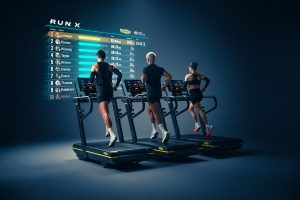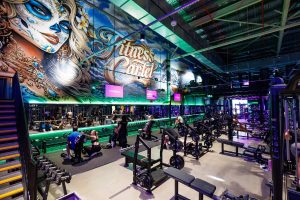

From the arrangement of cardio equipment down to the colour of the walls, Juliana Mare chats to design experts to find out their top tips for gym floor design to maximise functionality and member enjoyment.
The importance of gym flooring design for member retention
What convinces a person to join a gym? Of course, factors like price and location are crucial in the decision-making process, but did you know that design features could also significantly impact a final decision?
Designated training spaces, traffic flow, machine availability, equipment variety and colour schemes are design features, which can be instrumental in membership sales and retention rates. Ultimately, the overall aesthetic of a gym and its layout will determine how comfortable a member is within the gym and whether or not they will return.
Pavigym Brand Manager, Anthony Barker says imagining how your space will work most effectively during your peak period, is the best strategy when it comes to design. “The best layouts utilise efficiently, all the areas of the gym…while catering specifically to the needs of their clientele.“
Integral to achieving this is dividing your space into specific training zones, helping to simplify the overall layout of the gym. This extends further than the obvious cardio and weights division to truly maximise every nook and cranny. Products like the Pavigym Functional Zone 2.0, “can transform previously under-utilised areas into exciting, new small group training spaces,” says Anthony.
Getting creative with gym flooring designs
An innovative new approach, Pavigym’s Functional Training uses line markings and shapes on the floor to create fun and exciting circuit stations. These easy-to-follow stations can include a range of linear and round shapes with the option of anchors and friction surfaces, offering members an extremely versatile space to liven their workouts.
Specifically designed based on the spatial limits of the floor, this is a clever solution for gyms to transform existing spaces without the need for any major renovation time or cost.
According to Precor’s National Marketing Manager, Richard Derbyshire, 11 per cent of gym members leave because they feel too crowded. Spacing and layout should, therefore, be a key consideration. To help create an open and spacious feeling, Richard suggests structuring cardio spaces in height order, with taller equipment like cross-trainers behind treadmills and rowers. Choosing the right equipment, in terms of size and quantity will impact the aesthetic and sense of openness. While availability of the equipment is incredibly important, overcrowding can deter members.
Gym flooring solutions for noise reduction
Gym and Fitness Consultant, Jonathan Deering says decisions about type and quantity are determined by knowing what specific type of training will be performed. ‘A functional training space will feature larger open spaces to allow for Olympic Lifting and various body weight exercises. Having multi-stack jungles are a fantastic way to use your space and save money, rather than having individual, standalone machines.’
Flooring is also important to consider as the right material can benefit members and your bank account. For longevity in high traffic and high impact areas, Jonathan says rubber tile is the best option. “Rubber tiles will help with noise reduction and reduce vibration in your gym.“
Equally important as the layout and positioning of a gym is the interior design, yet these subtleties are sometimes overlooked. Colour psychology if often used in marketing as different colours are recognised as stimulants for particular emotions. While colours like red and orange are considered to be invigorating, Richard says research shows people lift heavier weights when surrounded by blue hues while black tends to evoke feelings of power and strength. Consider using different colour schemes and graphics throughout the gym; stretch stations should be calming; using pastel colours while a weight zone could include motivational posters or quotes to increase participation.
A great gym layout will help members feel comfortable and provide them the opportunities for the most efficient workout. The positioning, aesthetic and division of the space all play an important part in the overall success of a gym’s layout.
Equal attention to all three means your gym won’t just look good, it will feel good too; for members and staff alike.
Check out the WNiF Suppliers Guide for a full list of Gym Flooring Suppliers click here.
Article written exclusively by Juliana Mare for What’s New in Fitness magazine and website.
Check out these articles:

Fitness Cartel Maroochydore Reopens After $3.6 Million Rebuild
Fitness Cartel officially reopened its Maroochydore club on Saturday 25 July, capping off a $3.6 million refurbishment. Founder and CEO Nathan James spoke to What’s New in Fitness about the reinvestment, the new demographic it’s already drawing in, and what smaller gym operators can take from it. “Phenomenal,” is how James described reopening weekend. “We
What Aussie Gym Owners and Fitness Professionals Should Know About Technogym BioStrength
Your members are showing up wanting to do strength training. Most of them have no idea how to do it properly for their goal. They pick a machine, do three sets of ten, scroll their phone during rest, and repeat. The rep range is arbitrary, the rest period is a guess, the tempo is an
What Australian Gym Operators Need to Know About the Peloton Commercial Series
For years, Peloton was the brand that gym owners quietly blamed for pulling members away. The gleaming bike in the spare room. The “I cancelled my membership… I’ve got Peloton now” conversation at the school gate. The pandemic-era darling that turned home fitness into a lifestyle identity. Now Peloton wants to put its equipment on
How XtraClubs Is Redefining Affordable Luxury Wellness in Australia
XtraClubs is bringing its sauna, ice bath and steam model to Manly this April, alongside a founder story that every fitness professional needs to hear and a business model that’s quietly reshaping how Australians think about recovery. The story of XtraClubs, and what their fourth Sydney location signals for the fitness and wellness industry, is

2026 Buyers Guide: Commercial Functional Fitness Equipment in Australia
This guide has been created as a practical resource for gym owners, personal trainers, strength and conditioning coaches, studio managers, and anyone sourcing functional fitness equipment for commercial or semi-commercial use in Australia. Functional fitness training has moved from a niche offering to a mainstream expectation. Whether you’re opening a new facility, upgrading an existing

2026 Buyers Guide: Commercial Cardio Equipment in Australia
Whether you’re fitting out a brand-new commercial gym, refreshing an ageing cardio floor, or expanding an existing facility, purchasing commercial cardio equipment is one of the most significant investments you’ll make as a fitness business owner. This guide walks you through everything you need to know — from understanding what separates commercial-grade machines from consumer

2026 Buyers Guide: Commercial Strength Equipment in Australia
A practical guide for Australian gym owners, studio operators and fitness business owners planning a strength equipment purchase. Strength training equipment forms the foundation of most gyms, strength facilities and training studios across Australia. From squat racks and barbells to selectorised machines and plate-loaded equipment, the right strength setup allows members to build muscle, improve

The Aussie Gym Owner’s Ultimate Guide to Commercial Fitness Equipment
Walking into a freshly fitted gym is like stepping into a cathedral of possibility. The air hums with potential, equipment gleams under carefully positioned lighting, and every piece of kit seems to promise transformation. But for the gym owner who’s just signed the lease or is planning a major refit, that same space can feel

Finance Options for Gym Owners: How to Fund Your Fitness Business Without Losing Sleep
Running a gym in Australia is one of the most rewarding things you can do as a fitness professional. It’s also one of the most capital-intensive. Between commercial-grade equipment, lease bonds, fit-outs, staffing, and software, the upfront costs can hit hard before you’ve signed up a single member. And for gym owners who are already