
A few years ago, it wasn’t the norm for gyms to sell things like protein powders and branded t-shirts. Today, gyms are more than just gyms — they’re brands. If you’ve created a community at your gym that makes people feel like they belong, the place where they train becomes a part of their identity. More than just a branding exercise, smart gym merchandising taps into your members’ desire to feel like part of a community while giving them useful, high-quality gear they’ll want to use.
Why Merchandising Matters More than Ever
In the competitive fitness landscape of 2025, retaining members is more challenging than ever. With the rise of hybrid fitness models and increasing consumer expectations, gyms must find innovative ways to foster loyalty. So, how can leveraging branded merchandise enhance member engagement and retention?
Merchandising for gyms does more than put your logo on a t-shirt. It builds connection. When members proudly wear or carry your branded gear, they’re reinforcing their commitment to your space and culture. It creates visibility, a sense of belonging, and emotional investment — key drivers of long-term retention.
In a crowded market, personalised and on-brand merchandise can help your facility stand out while deepening the client relationship.
Ways to Use Merchandising For Gyms to Drive Retention
Whether you run a boutique studio, large fitness centre, or franchise model, here are simple and effective ways to use merchandise strategically:
New Member Welcome Packs
Offering a small branded bundle (think T-shirt, drink bottle, towel) to new members creates instant value and sets a professional tone from day one.Milestone Recognition
Celebrate visits, challenges, anniversaries or transformation milestones with exclusive merch. Not only does this reward effort (who doesn’t love a flex, right?) — it also motivates others.Referral Gifts
A strong referral program backed by desirable branded items encourages word-of-mouth marketing and creates a natural sense of loyalty.Limited-Edition Drops
Launching seasonal or limited-edition branded gear can create urgency and excitement. This taps into lifestyle branding — making your gym part of your members’ identity outside the gym walls.
Launching Your Branded Gym Merch
Today’s consumers value sustainability. Offering eco-friendly merchandise — like recycled apparel, reusable coffee cups, or biodegradable gym bags — is a powerful way to align your brand with your members’ values. In 2025, merchandising for gyms isn’t just about aesthetics — it’s about ethics and impact.
As with all new business models, selling merchandise can come with both risk and reward.
At first, choose only 1 or 2 different types of merchandise to see if your customers warrant interest. Don’t invest in 20 different products at once. Once you get an understanding of how your new merchandise model is selling, you can invest in more merch and continue to increase your gym’s revenue.
If your branded gym merch flies off the shelves, that still doesn’t mean add other SKUs to your lineup. Keeping it simple limits the distraction of 5 t-shirt designs, 4 different cap styles, and 3 options of shorts. Too many options = more confusion for customers, and less interest in merchandise altogether!
What Kind of Merch Should Your Fitness Business Sell?
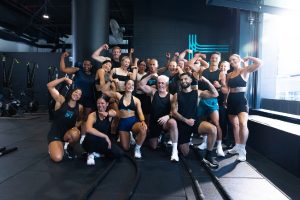
SoulFit womens fitness studio in Woonona NSW have had great success with branded merch among their loyal member base.
Many gyms have a clear demographic when it comes to their membership and if that’s the case, it can be easier to know where to align your branded products. A younger crowd may be big fans of the hoodie or the training tee, while a different membership base could be better suited to caps and bumper stickers. If you’re looking to step up your merchandise game, there are some great Australian-based suppliers who understand the fitness industry. Companies like Fitness Merch provide quality, customisable merchandise options designed specifically for gyms, studios, and personal trainers. These partnerships can help streamline production, minimise waste, and keep your branding consistent. Speaking of partnerships, consider how branded merch can be used to build partnerships with other businesses in your area, such as a branded keychain that unlocks a discount at a local supplements store.
Merchandising is a powerful way for gyms to boost visibility, build loyalty, and improve member retention — all while creating an additional revenue stream or marketing channel. Whether you’re launching a full merchandise line or starting small with some staple items, it’s a strategy worth investing in.
In 2025, your members expect more than just a workout. Give them something they can wear, use, and feel proud to be part of — and they’ll keep coming back for more.
Check out these articles:

Fitness Cartel Maroochydore Reopens After $3.6 Million Rebuild
Fitness Cartel officially reopened its Maroochydore club on Saturday 25 July, capping off a $3.6 million refurbishment. Founder and CEO Nathan James spoke to What’s New in Fitness about the reinvestment, the new demographic it’s already drawing in, and what smaller gym operators can take from it. “Phenomenal,” is how James described reopening weekend. “We

Get Ready for the 2026 AusFitness Expo Sydney
This article was updated July 2026. Thinking about heading to AusFitness Expo Sydney in 2026? The countdown is well and truly on, with the festival of health, fitness and bodypower returning to ICC Sydney from Friday 11 to Sunday 13 September. Whether you’re all about lifting heavy, chasing a new personal best, or hunting down

Gear Up for AusFitness Industry Sydney 2026
This article was updated July 2026. The AusFitness Industry Trade Show & Summit is back at ICC Sydney on 11-12 September 2026, and for anyone working in the fitness business, it’s probably the most useful two days on the calendar. It’s the only dedicated fitness and wellness trade show in Australia, and it’s where gym

Marketing to Millennials For Gym Owners in Australia
Millennials are one of the largest and most commercially important audiences an Australian gym can reach. But a lot of the marketing advice built around this generation still pictures them as 20-somethings chasing the newest boutique class and posting about it. That’s a narrow slice of who this audience actually is today, and it leaves

Before You Open a Second Gym, Get These Financials Right
The gym is full, classes are booked out, and membership numbers are climbing. For many fitness business owners, this is the moment the idea of a second location starts to feel less like a dream and more like a logical next step. But momentum and readiness are two different things. Some of the most avoidable

Fuelling a New Era of Women in Fitness Industry Career Progression
Women in the fitness business Australia have long been the backbone of an industry they have rarely been invited to lead. Despite representing more than half of gym members and a significant share of the fitness workforce, women remain underrepresented at ownership and senior leadership level across the country. That conversation is getting louder in

Why Australian Boutique Gym Members Leave… And What Owners Can Do About It
Acquiring a new fitness studio member costs significantly more than keeping an existing one. Most estimates put the ratio somewhere between five and seven to one. And yet the average boutique fitness studio in Australia spends far more on marketing and acquisition than it ever does on retention. The result is a leaky bucket. Studios

What Aussie Gym Owners and Fitness Professionals Should Know About Technogym BioStrength
Your members are showing up wanting to do strength training. Most of them have no idea how to do it properly for their goal. They pick a machine, do three sets of ten, scroll their phone during rest, and repeat. The rep range is arbitrary, the rest period is a guess, the tempo is an

Boutique Fitness Trends in 2026 and What They Mean for Australian Studio Owners
New research from boutique fitness management platform bsport surveyed more than 550 studio members globally to find out what drives discovery, loyalty and growth. The findings have significant implications for how Australian fitness businesses operate, market and grow. Running a boutique fitness studio in Australia has never been more competitive. New studios are opening constantly,